Personal
A Quarter a Star: Setting Up a Chore Chart Economy for Three Kids
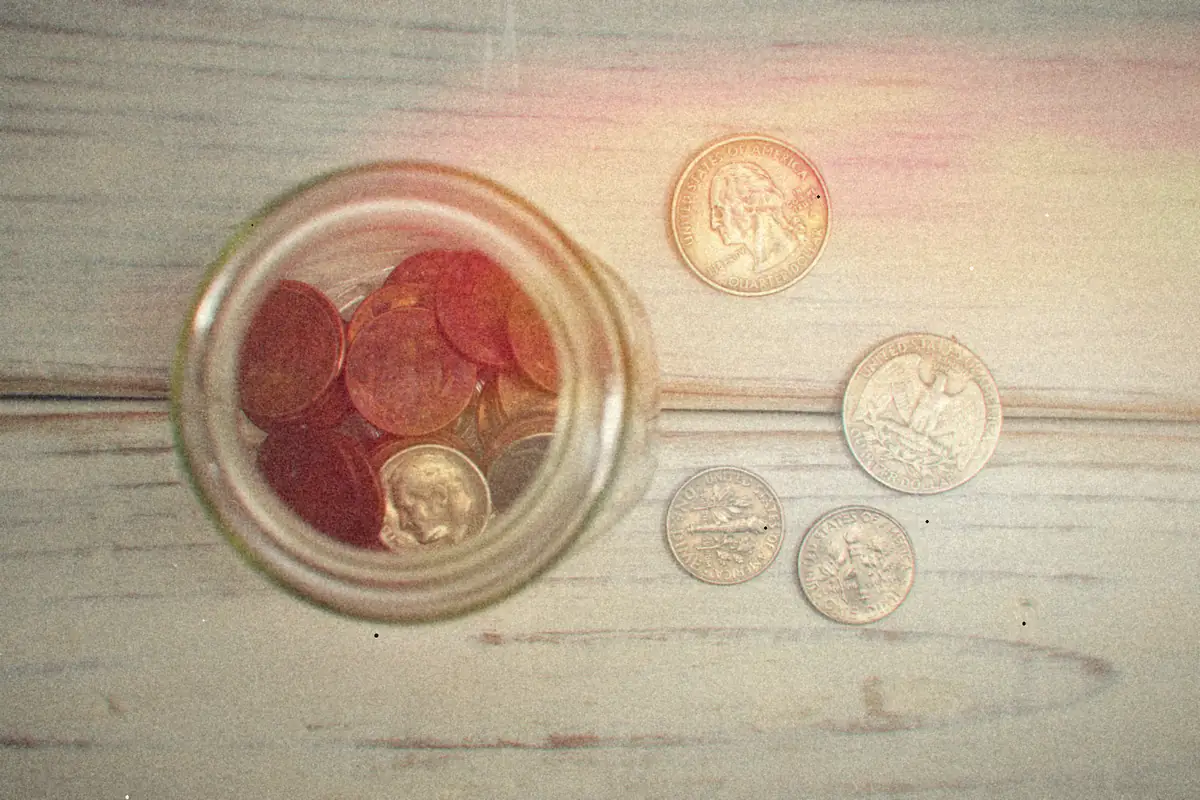
- One star is worth 25 cents, so four stars make a dollar. I wanted penny stars, but the app's star field tops out at 99.
- Everything earns stars, even making your bed. No separate list of stuff you do for free.
- The target is about $20 a month per kid: roughly $15 from their own chores and the rest from shared "Up for Grabs" jobs.
- Mom and Dad have rewards too, and they don't look like the kids' rewards.
We have one of those touchscreen Skylight calendars on the wall, and it has a chore chart built in. Kids check off a chore, they get stars, and the stars buy rewards. Simple enough.
The hard part wasn't the app. It was deciding what a star is worth. Once you've got three kids of different ages looking at the same board, every number on it turns into a small economic policy.
Here's how I set it up, and the one limit that changed my plan.
Why a star is worth a quarter
My first idea was penny stars. One star, one cent. My thinking was that bigger numbers feel more exciting to kids. "I earned 250 stars this week" sounds a lot better than "I earned 10."
Then I went to enter the values and hit the wall: the stars field on a chore only takes two characters. The biggest value a single chore can carry is 99. Penny stars would've meant a $1 chore was impossible to enter, and a weekly job worth more than that was out of the question.
So I flipped it. One star is 25 cents. Four stars make a dollar. The math is easy enough to do in your head, and a quarter is something every kid already understands.
Heads up
Skylight's own help docs say rewards run from 1 to 500 stars. That limit isn't enforced. I set up a 1,000-star reward with no complaint. The two-digit cap on a chore's stars is real, though.
What a chore is worth
I started with the smallest job and priced up from there. Making your bed takes about two minutes. A quarter for two minutes felt right to me. It's not nothing, and it's not so much that the bed becomes a money printer.
The bigger decision was whether daily basics earn anything at all. There's a school of thought that says some things you do because you live here, and you don't get paid for them. I get it. I went the other way anyway: every task on the board has a star value, including the daily stuff.
My reasoning was simple. If some tasks pay and some don't, the ones that don't pay quietly stop getting done. When everything is worth something, the board is the whole picture. The kid can look at it and see exactly where the money comes from.
Their own list, plus Up for Grabs
Each kid has an assigned list. On top of that, Skylight has an Up for Grabs column: chores that aren't assigned to anyone. Whoever does one taps their own profile and gets the stars.
That's where the budget math comes in. The target is about $20 a month per kid. I'm fine with roughly $15 of that coming from their assigned chores. The last $5 or so is there to be earned by whoever hustles for the shared jobs.
| Piece | Roughly | Who it's for |
|---|---|---|
| One star | $0.25 | Everyone |
| Making your bed | 1 star | Each kid's own list |
| Assigned chores | ~$15 a month | Each kid |
| Up for Grabs pickups | ~$5 a month | Whoever gets there first |
| Monthly target | ~$20 | Per kid |
Up for Grabs does something a fixed list can't. It gives the kid who wants more a way to get more, without me renegotiating anybody's allowance.
Mom and Dad are on the board too
My wife and I both have profiles on the frame, and we have rewards too. But ours don't look like the kids' rewards, on purpose. Mom and Dad aren't in the same prize pool as the kids.
Loading it without tapping for an hour
Entering a whole chore chart one tap at a time on a touchscreen is a special kind of tedious. There's no official Skylight API, but people have reverse-engineered one. I used a community-built MCPModel Context Protocol. An open standard for plugging tools and data sources into an AI model, so it can call them in the middle of a conversation.More: MCP Tool Poisoning, and Why G8KEPR Fingerprints Every Tool server for Skylight that can create chores and rewards in bulk, with the repeat schedules and star values already filled in.
Tip
If you do this, set rewards to respawn after they're redeemed. Otherwise a "cash out $5" reward disappears the first time someone uses it.
Still tuning
This is the plan, not the verdict. I don't know yet whether a quarter a star keeps its shine by month three, or whether Up for Grabs turns into a race one kid always wins. Screens and kids have surprised me before. I wrote about that in the YouTube Shorts post. So I'm watching how it goes before I call it a system.
If you want the grown-up version of breaking chores into small, checkable pieces, these everyday chore prompts come from the same instinct.