Book Writing
Getting 1999 Ocala Right, One Gas Station at a Time
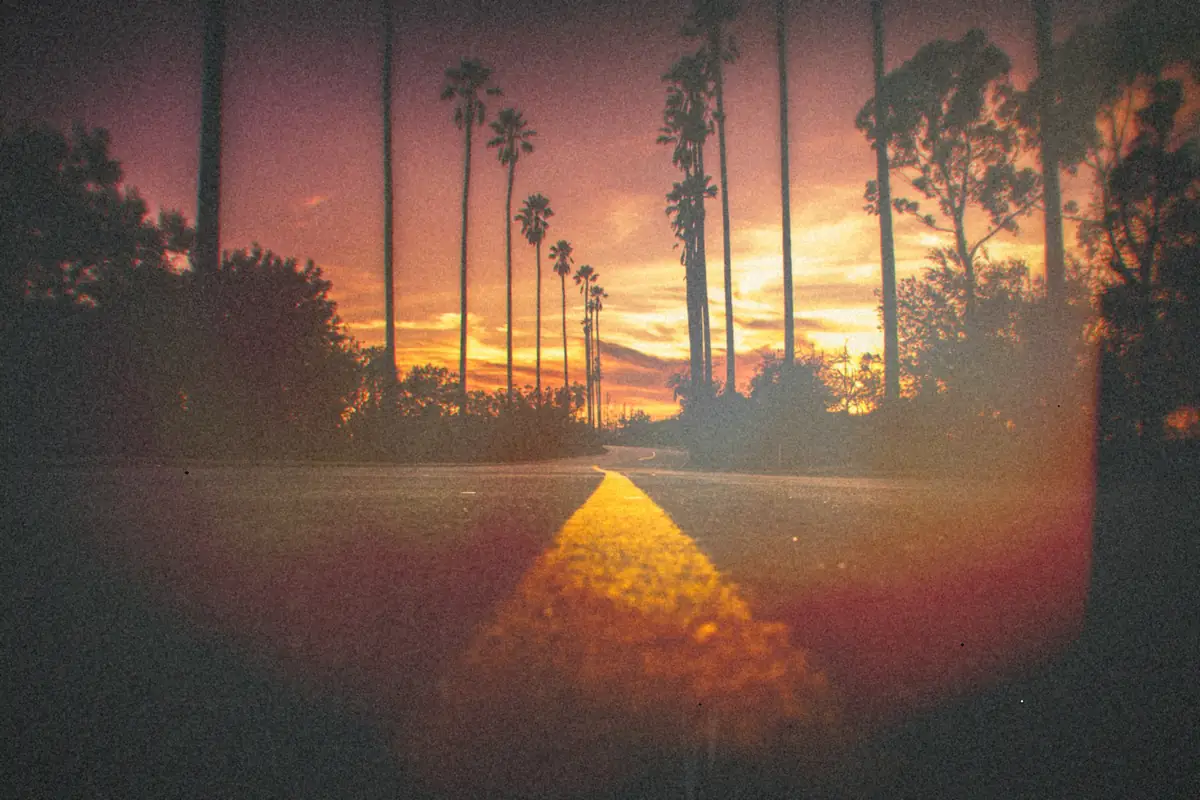
- The rule for the nights: sodium orange, incandescent flashlights, and not one LED anywhere.
- Teenagers in 1999 had pagers and pay phones, so the crew never texts anybody.
- The store names are the real 1999 ones: Kwik King, not the later Quik King, and Burdines at the mall.
- Being right matters for anything a local would trip over. Past that, the story wins.
Watch Night happens in Ocala, Florida, in the last week of December 1999. That's close enough that a lot of readers lived through it, which means they'll notice when something's off. Nobody forgives a book for putting an iPod in 1999. So alongside the draft, I kept a running sheet of what was and wasn't around that week, and checked the book against it.
Here's some of what was on it, including one gas station whose name is easy to get wrong.
The light was orange
The first rule was about light, because the book happens almost entirely at night. In 1999, streetlights were sodium vapor, that flat orange that turns every parking lot the color of a creamsicle. Flashlights were incandescent and yellow, and they dimmed as the batteries went.
So there are no LEDs in the book. No white-blue streetlights, no LED flashlights, no light strips. Red digital clocks and a VCR blinking 12:00 are fine. Once you know the light is orange, you know what the water looks like, what faces look like, and how far a flashlight actually reaches.
Pagers, not phones
The crew in the book runs on pagers and pay phones. An adult with a reason might have a cell phone: a contractor, a dealer. A seventeen-year-old mostly didn't, and if he did, he wasn't texting on it. That changes how a plot works. You can't send a quick "where are you." You page somebody, you wait by a pay phone, and you hope they call back before you have to leave.
A few other things that had to stay out because they hadn't happened yet:
| Not yet in December 1999 | When it showed up |
|---|---|
| Scream 3 | February 2000 |
| The Sims | February 2000 |
| iPods | 2001 |
| Mountain Dew Code Red | 2001 |
| CVS stores in Florida | 2004 |
And a couple that were already gone: Orbitz, the drink with the floating balls, was discontinued in 1998, so if anybody has one, it's a bottle they hoarded.
The names on the signs
This is where the gas station comes in. The crew's regular stop is a Kwik King. That's a real local Ocala chain, which makes it better texture than any made-up name could be. Their store in the book is invented, and it doesn't get a real street address. But the spelling matters. The chain went by Quik King after a later rebrand, and if you grew up there in the nineties, you'd know the book got it wrong.
The mall works the same way. At Paddock Mall in 1999, the big department store was Burdines, not the Maas Brothers it used to be and not the Macy's that came later. The food court was the Winner's Circle, horse-themed because this is Ocala. Publix was the nicer grocery store and Winn-Dixie was the cheaper one, and everybody knew which was which.
Tip
If you're writing a real place in a real year, look for what locals remember, not just what the newspapers covered. The newspaper tells you a store opened. The locals tell you which one you went to when you were broke.
What I let slide
I don't think fiction has to match the almanac. If a reader would have to look something up to catch it, I'm not losing sleep over it. The line I care about is anything a local would trip over, the stuff that pulls you out of the story because you know better.
So the book takes a few liberties on purpose. Qball's, the pool hall at the center of the story, never existed. One store at the mall goes by an older name than it strictly should, because it reads right. And the springs have something living in them that, as far as I know, isn't in any of the state park brochures.
Everything else, I tried to get right. If you lived there and spot something, I'd honestly like to hear about it. You can read the opening and see how close it gets.